
Introduction
Gone are the days you need to leave the comfort of your home for a low paying 9-5 job. Now, you can work from the comfort of your home provided you have a digital skill. You only need a device (smart phone or personal computer) and internet connection.
2025 has so far been a great year for remote workers as a result of more developments, better tools, more opportunities and rise in pay. With this, it’s not a surprise that more people are heading into 2026 to become full time remote workers.
However, these opportunities also make remote jobs more competitive than before. Hence, working remotely in 2026 goes beyond having Wi-Fi and a laptop. With rising competition, faster workflows, and global teams, you need tools that optimize every part of your workday.
In this guide, we’ll discuss the top tools you need to boost your productivity and stay ahead of your competitors.
What You’ll Learn:
- What remote work is and the most common remote jobs that pay well
- A clear comparison between remote jobs and traditional jobs
- The key advantages of working remotely in 2026
- How to identify and avoid remote work scams
- How to secure high-paying remote jobs in 2026
- The 11 best tools for remote work in 2026
What Remote Work Is and the Most Common Ones You Can Do
“What is remote work? Remote work simply means working from anywhere without being physically present in an office.”
Do you still remember what the first thing that came to your mind was when you heard “remote work” for the first time? Remote jobs are basically the jobs you do online. They do not require office presence like traditional jobs.
All you need is a good device and an internet connection. With both intact, you can work from home or anywhere you are.
Why Are People Changing to Remote Jobs?
Remote jobs over the years have proven less stressful when compared to traditional jobs. You only need your mobile device or personal computer with a good internet connection to start early — provided you have the skills.
Aside from stress, most remote jobs pay better than traditional jobs. So, why go for a stressful low paying job when you can grab a high paying less stressful job?
In addition to that, let’s not forget you do not need college degrees to work online. There are a lot of employers that do not care about your college degrees, they only need proof of work to be sure you have the skills.
Common Remote Jobs That Pay Well
Here are some of the most popular and profitable remote jobs in 2026:
- Content writing & copywriting
- Software development
- UI/UX design
- Digital marketing
- Data analysis
- Virtual assistance
- Customer support
- Video editing
- Social media management
- Online trading & research
There are still more trending remote jobs you can do. If you can deliver value digitally, you can work remotely.
A Clear Comparison Between Traditional Jobs and Remote Jobs
The table below gives a clear comparison between traditional jobs and remote jobs — the features and advantages of each compared to the other.
|
Traditional Jobs |
Remote |
|---|---|
|
Location Independent |
|
Global income opportunities |
|
Flexible schedules |
|
Result-based reward |
|
Requires self-discipline |
The Key Advantages of Working Remotely in 2026
2026 is shaping up to be a more remote job centered year than we have seen in 2025 so far. More developers are stepping in, clients are offering more pays, tools are becoming more advanced, and opportunities are becoming seamless.
The truth is, remote work in 2026 offers leverage. And here are key advantages to look out for:
-
Earn Globally
Remote jobs provide the opportunity to earn globally. As a remote worker, you’re no longer limited by your local currency economy. Most remote workers earn in USD, GBP, or EUR.
Right from the comfort of your home, you can:
- Work for companies and employers in the United States, Europe, Asia, and every other part of the world
- Compete in a global talent market
- Apply for roles that value skills, not location.
Imagine having to travel from Africa or Asia to the United States before you can work with US based companies and employers. That would be a whole lot of money traveling and relocating.
This flexibility is also why many remote workers explore performance based income path such as forex prop firm trading.
2. Higher Earning Potential
Remote work opens the door for you to earn in stronger currencies. Many remote workers now earn:
- USD
- EUR
- GBP
This is especially powerful if you live in a country with a lower cost of living.
In 2026, this currency advantage allows you as a remote worker to:
- Save more
- Invest faster
- Build financial security quicker
Your income is tied to value delivered, not local salary standards. Recent years have seen many Nigerians venture into online trading because of the opportunities it presents, if mastered. You can check out our post on how to start forex trading in Nigeria.
3. Flexible Work Schedule
If you’ve ever taken a 9-5 job, you should know how tight the schedule is. You have to wake up early, dress up and try to beat the traffic so you can get to your workplace at the time fixed by your boss.
Remote jobs are different, you fix your schedule by yourself. Remote work shifts focus from hours worked to results produced.
This flexibility allows you to:
- Work during your most productive hours
- Design a schedule around your lifestyle
- Balance work with learning, rest, or side projects.
In most cases, you get paid extra to work out of your schedule.
4. Reduced Daily Expenses
Working remotely significantly lowers day-to-day costs. There are things you need as a worker going to work, which are not mandatory if you work remotely.
For instances, you save money on:
- Transportation
- Office clothing
- Daily meals outside
- Relocation costs
And others.
Over a year, these savings add up and directly increase your net income.
5. Better Work–Life Balance
Remote work allows you to regain control over your time, location and work schedule in general.
Without long commutes or rigid office schedules, you can:
- Spend more time with family
- Focus on personal health
- Reduce stress and burnout
Over time, companies increasingly recognize that well-rested employees perform better.
6. Opportunity to Build Multiple Income Streams
Remote work gives you the opportunity to build multiple streams of income, as you have your schedules decided by yourself. If you finish your tasks on time, you can decide to work on other opportunities to harness wealth.
Aside the work you do which pays you, you can still embark on other careers such as freelancing, consulting, online businesses, and content creation.
In 2026, many remote workers combine a main job with side income streams, increasing financial resilience.
7. Future-Proof Career Path
Remote jobs align with the future of jobs and employment. The tide is gradually turning from traditional jobs. Employers are gradually realizing the advantages of hiring global workers who don’t necessarily come together in a work place.
By hiring remote workers, companies are reducing office costs and embracing distributed teams.
Thus: by building a remote career now, you position yourself ahead of workplace shifts that will continue beyond 2026.
How to Identify and Avoid Remote Work Scams
As remote jobs grow, so do scams. 2025 is not yet the peak of remote jobs, but that also means it’s not yet the peak of remote job scams. Hence, as we’re getting ready to explore the opportunities that are coming with 2026, we also have to make the necessary preparations to combat scams.
1. Never Pay to Get a Job
We’re heading into 20226. By now, you should know a legitimate employer will never ask you to pay:
- Application fees
- Training fees
- Equipment fees, or
- Registration fees
For you to get employed. If a job requires payment upfront, it is almost always a scam. Hence, it is important to take precautions against such jobs.
2. Be Careful with “Too Good to Be True” Offers
Scam job listings often promise:
- Extremely high pay for minimal work
- No experience required + instant hiring
- Guaranteed income
But in the end, they end up discarding you after a month of hardwork. They use the same “too good to true” offer to induce someone else to continue from where you stopped. And the cycle continues.
Not that high-paying remote jobs do not exist. They exist, but they require skills, experience, or proven results — if not all three combined.
3. Be Cautious of Jobs that Do Not Require Interviews or Screenings
Be cautious if:
- There is no proper interview or screening
- There is no video call or voice interview
- You’re hired instantly without real screening
Professional companies usually use emails, video or voice calls (Zoom, Google Meet), or official company domains. In some cases, it can also be done on their official social media pages such as X.
In most cases after you’ve reached an agreement, both parties will be required to sign contract agreements that bind their collective interests.
4. Use Trusted Job Platforms
One of the best ways to avoid scams is to stick to reputable platforms such as:
These platforms reduce scam exposure through moderation and paid listings.
You can also look out for jobs on social media platforms. Just make sure you exercise caution.
5. Trust Your Instincts
If something feels off, pause. Scammers rely on your urgency, emotional manipulation, and greed, to catch their prey. Take the time needed to research and verify before you commit yourself to the process.
How to Secure High-Paying Remote Jobs in 2026
One of the major challenges most remote workers face is how to secure a high-paying client. This is because most rely on traditional mouth to mouth referrals (a friend or family referring them to employers), or in most cases they wait for companies to post notice of employment on social media. Then, they would end up competing with many other employees who also saw the same posters.
Sometimes, these notices are sent out by ragebaiters whose goals are to get social media impressions and engagements. At the end of the day, all employees get discarded. Then you say, “securing remote jobs are too stressful. Let me give up.”
The truth is, securing remote jobs is not as hard as you think. But only if you have the blueprint. Let’s walk you through some ways you can secure high-paying remote jobs in 2026:
1. Master a High-Value Skill
Don’t just learn any skill, learn a high-value one. Focus on learning skills which companies pay for:
- Tech
- Marketing
- Writing
- Data
- Automation
etc
2. Build a Strong Online Presence
Looking for employees online is a risk on its own, so no company wants to risk employing someone who has little to no online presence.
Building a strong online presence for yourself puts you in a better position to secure high paying jobs. Focus on:
- Building a portfolio website
- Building a LinkedIn profile
- Building a personal brand (like an X page)
3. Apply Strategically
Most job finders online skip the research stage. They gather little to no information about the company they are writing applications to. You don’t want to be like them!
Don’t apply everywhere. Target companies that:
- Hire globally
- Pay in strong currencies
- Value results over location
4. Use Social Media and Trusted Job Platforms Like a Pro
Trusted job platforms and public social media platforms such as X are great platforms for securing jobs. However, it is important to master how to create a good profile and navigate these platforms.
If you want verified already-listed jobs, focus on platforms such as:
If you want to look for jobs on X, follow these tips:
- Create a solid profile – use real name or brand name, include link to your portfolio and other social media platforms
- Post contents in your niche
- Post client testimonials and proof of works
- Explore top brands in your niche and check their handles for services they are lacking
- If they are lacking a service you offer, reach out to them — let them know how you can help they improve and how employing you would benefit them.
5. Use the Right Tools
Your productivity tools often determine how efficient and reliable you appear to employers.
This brings us to the core section of this blog, which is the best tools for your remote works in 2026.
11 Best Tools for Remote Works in 2026
As a remote worker, your tools are your assistant and productivity system. Unlike traditional jobs where structure is provided for you, you must create your own system as a remote worker.
You need the best possible tools for:
- Increased productivity and efficiency
- Better communication and collaboration
- Professionalism and reliability
- Improved time management
- Reduced errors and deadlines
- Security and data protection
- Higher earning potential
- Scalability and growth
- Long-term career sustainability
The following tools are essential if you want to stay productive, organized, and competitive in 2026:
1. Notion — Centralized Work Management
Your all-in-one workspace for notes, planning, and projects.
Think of Notion like google docs, but with a more advanced linking system. Notion acts as your digital headquarters. Instead of scattering notes, tasks, and ideas across different apps, Notion keeps everything in one place.
How it helps remote workers:
- Organizes tasks, projects, and documents
- Helps plan daily and long-term goals
- Reduces confusion and mental clutter
- Improves focus and workflow clarity
Check here for a guide on how to use Notion.
2. Slack — Efficient Team Communication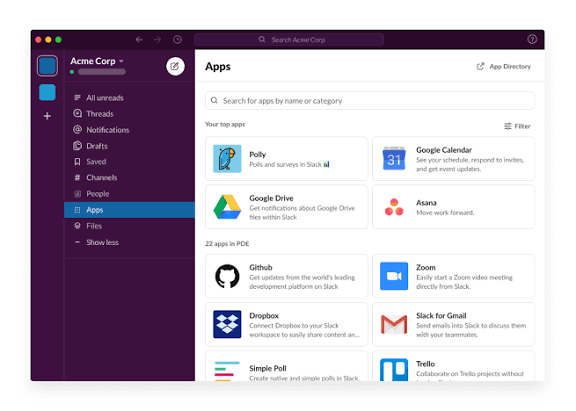
Smart team communication with AI-powered summaries.
The Slack app is a popular communication and collaboration platform for teams, replacing email for many internal discussions with organized channels, direct messages, calls (voice/video), file sharing, and extensive integrations with other apps (like Google Drive, Salesforce). Slack replaces office conversations by keeping communication structured and searchable.
Here is how it helps remote workers:
- It reduces unnecessary emails
- It keeps team discussions organized by channels
- It enables fast collaboration across time zones
- It improves response time and clarity
There is a guide on how to use Slack on their official website.
3. Zoom — Real-Time Collaboration
Video meetings, webinars, and remote collaboration.
Zoom enables face-to-face communication, which builds trust and reduces misunderstandings.
How it helps remote workers:
- Supports meetings, interviews, and training
- Improves clarity through video and screen sharing
- Allows recording for future reference
- Strengthens team relationships
4. Trello — Visual Task Organization
Simple visual project management.
Trello makes tasks visible and manageable. Trello is a visual, web-based project management and task management tool developed by Atlassian that uses a kanban style system of boards, lists, and cards to help individuals and teams organize and track work.
How it helps remote workers:
- Breaks work into clear steps
- Tracks progress visually
- Reduces forgotten tasks
- Keeps individuals and teams aligned
5. ClickUp — Advanced Productivity Control
Advanced productivity and task management suite.
ClickUp combines multiple productivity tools into one system. It is an all-in-one project management that helps you plan, organize, aim, and collaborate on work.
How it helps remote workers:
- Manages tasks, documents, and goals
- Automates repetitive workflows
- Handles complex projects efficiently
- Reduces app overload
6. Google Workspace — Seamless Collaboration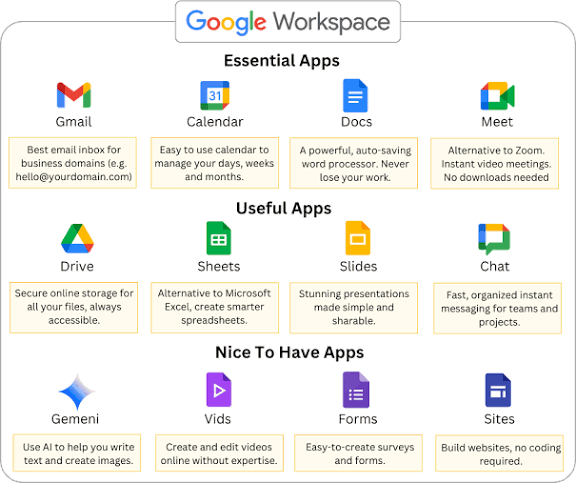
Docs, email, spreadsheets, and cloud collaboration.
Google Workspace allows multiple people to work on the same files in real time. It is a google productivity toolkit that brings google suite tools — Gmail, calendar, drive, meet, chats, docs, slides, sites, vids, Gemini, and forms — altogether as one.
How it helps you as a remote worker:
- It enables instant collaboration on documents
- It enables files are accessible anywhere
- It reduces file-sharing delays
- It keeps work backed up in the cloud
7. Loom — Asynchronous Communication
Quick video messages for async communication.
Loom is a video messaging tool that helps you get your message across through instantly shareable videos. It lets you record your screen, camera, and microphone to quickly create and share video updates, tutorials, or feedback with a shareable link.
How it helps remote workers:
- It explains ideas faster than text
- It reduces need for meetings
- It improves clarity for training and feedback
- It works well across time zones
8. Toggl Track — Time Awareness & Productivity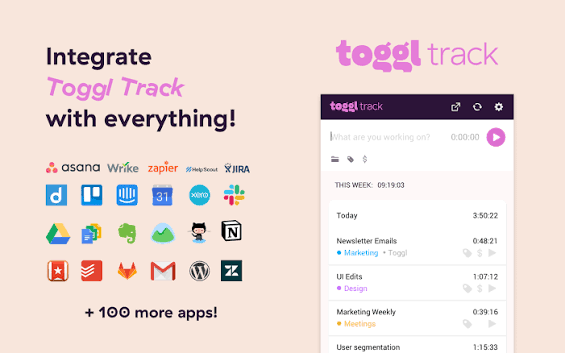
Time tracking for freelancers and teams.
Toggl helps remote workers understand how their time is spent. It is a user-friendly time-tracking software for individuals and teams. With Toggl Track, you get to track employees time, send beautiful client reports, and calculate profitability.
How it helps remote workers:
- Tracks billable hours accurately
- Reveals productivity patterns
- Prevents time wastage
- Helps freelancers price their services correctly
9. LastPass — Security and Access Management
Secure password management across devices.
LastPass protects your digital identity.
How it helps remote workers:
- Stores and manages passwords securely
- Prevents data breaches
- Saves time logging into multiple platforms
- Protects sensitive work accounts
10. Krisp — Distraction-Free Communication
AI noise cancellation for clear calls.
Krisp is a tool that removes background noise during calls.
How it helps remote workers:
- Improves call clarity
- Reduces embarrassment from noisy environments
- Enhances professionalism
- Improves communication quality
11. Todoist — Daily Focus & Task Control
Minimalist task management for daily focus.
Todoist helps remote workers stay consistent and focused.
How it helps remote workers:
- Organizes daily tasks
- Prioritizes important work
- Reduces overwhelm
- Improves personal productivity
Conclusion
Remote work is shaping up to be smarter, faster, and more AI-powered than ever. With the right tools, you can increase productivity, reduce stress, and manage your workday with total control.
Whether you’re a freelancer, content creator, developer, or remote employee, the 11 tools discussed in this post will help you work more efficiently and stay ahead in 2026.
We have also discussed the advantages of remote work and ways you can combat the challenges that tend to come with it in 2026.
Frequently Asked Questions (FAQ)
1. What is remote work?
Remote work is a work arrangement where individuals perform their job duties using the internet and digital tools to communicate and deliver results.
2. Is remote work still relevant in 2026?
Yes. Remote work continues to grow in 2026 as companies prioritize flexibility, global talent, and cost efficiency. Many organizations now operate fully remote or hybrid models.
3. What skills are most in demand for remote jobs in 2026?
High-demand remote skills include:
- Software development
- Digital marketing
- Content writing and copywriting
- Data analysis
- UI/UX design
- Project management
- Customer support
Skill-based roles remain the highest paying.
4. Can beginners get remote jobs in 2026?
Yes. Beginners can start with entry-level roles such as:
- Virtual assistance
- Content writing
- Customer support
- Social media management
Building a portfolio and learning consistently is key.
5. How can I find legitimate remote jobs?
Use trusted platforms such as:
- We Work Remotely
- FlexJobs
- Remote OK
Avoid offers that require upfront payments or rush you into accepting a role.
6. Are remote jobs safe from scams?
Remote jobs can be safe if you:
- Verify companies
- Use trusted job platforms
- Avoid paying for jobs
- Never share sensitive information early
Scam awareness is essential in remote work.
7. How do I avoid remote job scams?
To avoid scams:
- Never pay to get hired
- Research companies thoroughly
- Avoid interviews conducted only via messaging apps
- Be cautious of offers that sound too good to be true
8. Do remote jobs pay well?
Yes. Many remote jobs pay competitively, especially those that:
- Require technical or creative skills
- Pay in foreign currencies
- Are performance-based
High-paying remote jobs reward value, not location.
9. What tools do I need to work remotely?
Essential remote work tools include:
- Productivity tools (Notion, Todoist)
- Communication tools (Slack, Zoom)
- Time tracking tools (Toggl)
- Security tools (LastPass)
These tools improve efficiency and professionalism.
10. Why are tools important for remote work?
Remote tools help with:
- Organization and focus
- Communication and collaboration
- Time management
- Data security
Without the right tools, remote work becomes chaotic and inefficient.
11. Can I work remotely from any country?
In most cases, yes. However, some companies have location restrictions due to:
- Time zones
- Legal requirements
- Tax regulations
Always check job descriptions carefully.
12. How many hours do remote workers work daily?
Remote work hours vary. Some roles are:
- Fixed-schedule
- Flexible
- Results-based
Many remote workers design schedules around productivity rather than strict hours.
13. Are remote jobs better than regular office jobs?
Remote jobs offer:
- Flexibility
- Global income opportunities
- Reduced expenses
However, they require discipline, self-management, and reliable systems.
14. Can I combine remote work with freelancing or trading?
Yes. Many remote workers combine:
- Full-time remote jobs
- Freelancing
- Online trading or side businesses
This creates multiple income streams.
15. What is the future of remote work beyond 2026?
Remote work will continue expanding as companies embrace:
- Distributed teams
- AI-powered workflows
- Global hiring
Remote work is a long-term shift, not a temporary trend.



Very helpful!
Has everything i need
Very detailed, thanks for this